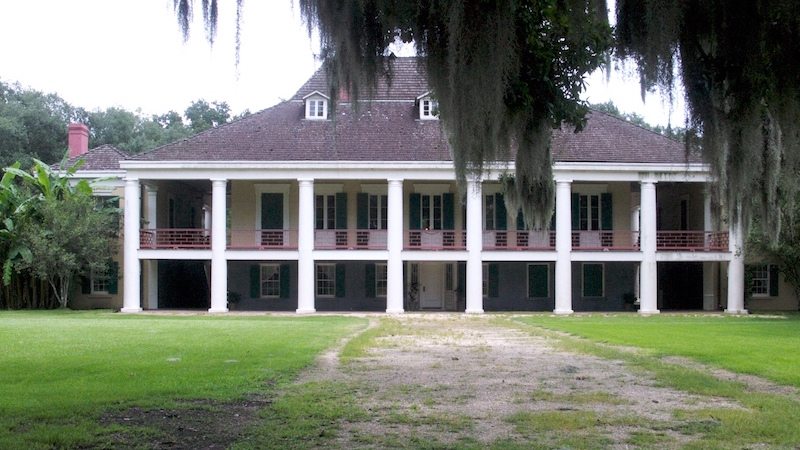
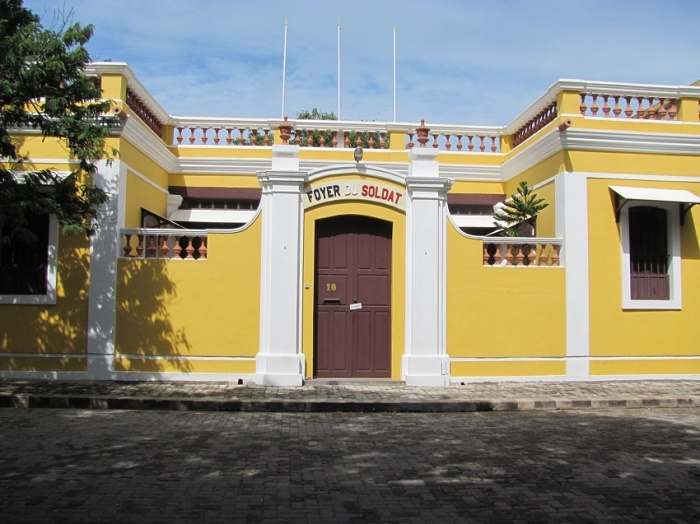
Colonial architecture is a hybrid architectural style that arose as colonists combined architectural styles from their country of origin with design characteristics of the settled country. Colonists frequently built houses and buildings in a style that was familiar to them but with local characteristics more suited to their new climate. Below are links to specific articles about colonial architecture, specifically the modern colonies:
Spanish colonial architecture
Spanish colonial architecture is still found in the former colonies of the Spanish Empire in the Americas and in the Philippines. In Mexico, it is found in the Historic center of Mexico City, Puebla, Zacatecas, Querétaro, Guanajuato, and Morelia. Antigua Guatemala in Guatemala is also known for its well-preserved Spanish colonial style architecture. Other cities known for Spanish colonial heritage are Ciudad Colonial of Santo Domingo, the ports of Cartagena, Colombia, and Old San Juan in Puerto Rico.
- North America
- Viceroyalty of New Spain
- Spanish Colonial architecture in Mexico
- New Spanish Baroque
- Spanish Colonial architecture in the United States
- Spanish Colonial Revival architecture
- Spanish Colonial architecture in Mexico
- Caribbean
- Spanish West Indies
- Spanish Colonial architecture in Cuba
- Spanish Colonial architecture in the Dominican Republic
- Spanish Colonial architecture in Puerto Rico
- South America
- Viceroyalty of Peru, Viceroyalty of New Granada, and Viceroyalty of the Río de la Plata
- Spanish Colonial architecture in Argentina
- Spanish Colonial architecture in Chile
- Spanish Colonial architecture in Colombia
- Spanish Colonial architecture in Peru
- Spanish Colonial architecture in Venezuela
- Spanish missions in South America
- Spanish missions in Bolivia
- Spanish missions in Brazil
- Spanish missions in Paraguay
- Asia
- Spanish East Indies
- Spanish Colonial architecture in the Philippines
- Earthquake Baroque
- Bahay na Bato
Portuguese colonial architecture
Portuguese colonial architecture is most visible in Brazil, Madeira, North Africa and Sub-Saharan Africa, Macau, the Malaysian city of Malacca, city of Goa in India, and Moluccas and Java in Indonesia.
- Asia
- Portuguese colonial architecture in India
- Portuguese colonial architecture in Sri Lanka
- Sino-Portuguese architecture
- Centro Histórico de Macau
- South America
- Portuguese colonial architecture in Brazil
British colonial architecture
British colonial architecture are most visible in North America, the British West Indies, South Asia, Australia, New Zealand and South Africa.
- North America
- American colonial architecture
- Federal Architecture
- First Period
- Colonial Georgian architecture
- British colonial architecture in Canada
- American colonial architecture
- South Asia
- British colonial architecture in India
- British colonial architecture in Pakistan
- Colonial architecture in Sri Lanka
- Australia
- Colonial architecture of Australia
- Federation architecture
- Colonial architecture of Australia
- Asia-Pacific
- British colonial architecture in Hong Kong
- British colonial architecture in Singapore
- British Consulate at Takao
French colonial architecture
French colonial architecture is most visible in North America and Indochina.
- Indochina
- North America
- French colonial architecture in North America
- South Asia
- French colonial architecture in India
Dutch colonial architecture
Dutch colonial architecture is most visible in Indonesia (especially Java and Sumatra), the United States, South Asia, and South Africa. In Indonesia, formerly Dutch East Indies, colonial architecture was studied academically and had developed into a new tropical architecture form which emphasizes on conforming to the tropical climate of the Indies and not completely imitating the architectural language of the Dutch colonists.
- Indonesia
- Dutch colonial architecture of Indonesia
- Old Indies Style
- Indies Empire style
- New Indies Style
- Dutch colonial architecture of Indonesia
- North America
- Dutch colonial architecture in North America
- Dutch Colonial Revival architecture
- South Asia
- Dutch colonial architecture in India
- Colonial architecture in Sri Lanka
- South Africa
- Cape Dutch architecture
Russian colonial architecture
Russian colonial architecture is primarily represented in Siberia, Far East and Central Asia. The best example of Russian colonial architecture in Siberia is the architecture of Irkutsk, Tobolsk, Tomsk, Krasnoyarsk, Omsk and Yeniseysk. Russian colonial architecture in Siberia was primarily built out of wood due to the abundance of it in the region and is noticeable for its wooden carving.
- Siberia
- Siberian baroque
- Lace houses
- Central Asia
- Soviet architecture in Central Asia
- Turkey
- Baltic style of Kars
Italian colonial architecture
Eritrea was Italy's first African colony. Its first capital, Massawa, contains a large amount of early Italian colonial architecture, characterized by historicism and inspiration from Venetian Gothic and Italian Neoclassical architecture. The colonial architecture and orthogonal street grid of Asmara, the colony's second capital, was inscribed as a UNESCO World Heritage Site in 2017. Much of the city's colonial architecture dates to the fascist era, during which Benito Mussolini encouraged architects and planners to transform the city into a "Little Rome".
Somalia also contains a wide range of Italian colonial architecture, dating back to its colonial era. In Mogadishu, the residence of most of the colony's eventual 50,000 Italian residents, colonial architects undertook large planning projects and erected monuments such as the still-extant triumphal arch dedicated to Umberto I, the largely destroyed Cathedral of Mogadiscio, and various government buildings. The Italian-built Villa Somalia remains Somalia's presidential residence. Unlike colonial schemes in Libya and Eritrea, Italian colonial authorities built within existing cities in Somalia, not building new villages or towns for settlers.
Before the consolidation of Italian Cyrenaica and Italian Tripolitania, Libya's colonial masters undertook significant building projects in Italian styles, such as the construction of Tripoli's Cathedral, built in a Venetian Gothic style. Following the founding of Italian Libya, Italian Fascist architecture became the standard for the massive infrastructural and settlement-related projects that Mussolini's Italy undertook. In cities such as Tripoli and Benghazi, colonial architects and urban planners undertook large-scale urban projects, such as the construction of Benghazi's monumental Lungomare (sea-walk), new urban districts for Italian settlers, and Catholic religious buildings, including Benghazi's and Tripoli's cathedrals. The fascist government's constructions were usually characterized by use of the Italian Rationalist and Neoclassical styles. Starting in 1938, the colony's Public Works Department sponsored the building of 27 new villages meant for Italian settlement, mostly in Cyrenaica, which epitomized a Rationalism informed by local Arab architectural mores. Giovanni Pellegrini, one of the most prominent designers of these agrarian villages, attempted to synthesize Arab and Italian architecture to settlements best fitted to Cyrenaica's arid climate.
Italy's occupation of the Dodecanese bore a significant amount of modernist and art deco buildings throughout the archipelago. Colonial architects also constructed several new towns and villages, such as Portolago, now known as Lakki. Contrasting with much of the built remnants of Italian colonialism in Africa, Italian architecture in the Dodecanese often remains in good repair.
Italy's brief colonial undertaking in Albania resulted in a prominent collection of Rationalist buildings, including the Bank of Albania, the Prime Minister's Office, and the National Theatre.
See also
- Colonial Revival architecture
- American colonial architecture
References
External links
- Website on colonial architecture with 29,000 pictures of colonial buildings around the world by Gauvin Alexander Bailey of Queen's University and funded by the Social Sciences and Humanities Research Council of Canada and the National Endowment for the Humanities